CALL TODAY 646-846-1136 | EMAIL


Colon Surgery for Diverticulitis and Cancer: What to Expect
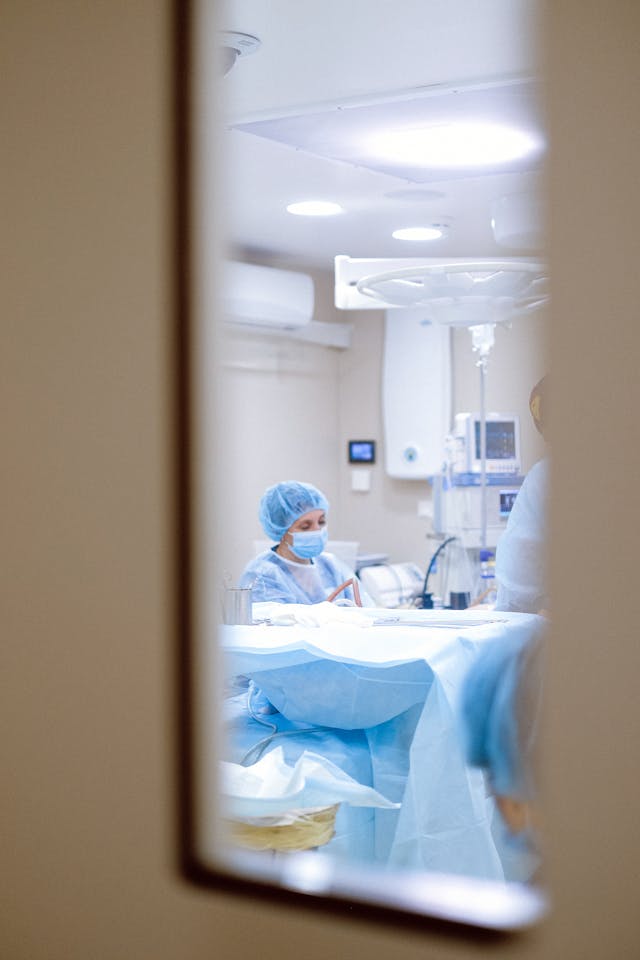 Colon surgery is often recommended for patients suffering from recurrent diverticulitis or colon cancer. While the idea of colon surgery may feel overwhelming, modern minimally invasive techniques have made these procedures safer, more precise, and associated with faster recovery times. If you’ve been advised to undergo colon surgery in NYC, understanding what to expect can help you feel more confident and prepared.
This guide explains why colon surgery is performed, what the procedure involves, and how recovery typically progresses.
Understanding Diverticulitis and Colon Cancer
The colon (large intestine) plays a vital role in absorbing water and processing waste. When disease affects this organ, surgical intervention may be necessary.
Diverticulitis
Diverticulitis occurs when small pouches (diverticula) in the colon wall become inflamed or infected. While mild cases can be treated with antibiotics, surgery may be recommended if:
- You experience recurrent episodes
- Complications such as abscess, perforation, or fistula develop
- There is persistent pain or narrowing of the colon
Colon Cancer
Colon cancer develops when abnormal cells grow in the lining of the colon. Surgery is often the primary treatment, especially in early and mid-stage disease.
- Removal of the cancerous segment improves survival rates
- Lymph nodes are often removed for staging
- Surgery may be combined with chemotherapy depending on stage
Early detection through colonoscopy significantly improves outcomes.
What Is Colon Surgery?
Colon surgery, also known as colectomy or colon resection, involves removing the diseased portion of the colon and reconnecting the healthy ends.
There are different types of colon surgery depending on the location and severity of disease:
- Partial colectomy (removal of a segment of the colon)
- Right or left hemicolectomy (removal of one side of the colon)
- Sigmoid colectomy (commonly performed for diverticulitis)
- Total colectomy (removal of the entire colon, in rare cases)
Minimally Invasive Colon Surgery
In most cases today, colon surgery can be performed using laparoscopic or robotic-assisted techniques.
How It Works:
- Several small incisions are made in the abdomen
- A high-definition camera guides the surgeon
- The diseased portion of the colon is removed
- The healthy sections are reconnected (anastomosis)
Benefits:
- Smaller incisions and less scarring
- Reduced postoperative pain
- Shorter hospital stays
- Faster return to normal activities
- Lower risk of infection
Robotic surgery may provide additional precision, particularly in complex cancer cases.
Will I Need a Colostomy Bag?
One of the most common concerns patients have is whether they will need a colostomy (an opening in the abdomen for stool to exit into a bag).
- In most elective surgeries, reconnection is possible and no colostomy is needed.
- Temporary colostomies may be required in emergency situations or complicated infections.
- Permanent colostomies are uncommon and typically reserved for specific cancer cases.
Your surgeon will discuss this possibility with you before surgery.
Preparing for Colon Surgery
Before surgery, you may need:
- Bowel preparation (cleansing the colon)
- Blood tests and imaging
- Medication adjustments
- Preoperative consultation and clearance
Proper preparation helps reduce complications and supports smoother recovery.
What to Expect After Surgery
Hospital Stay
- Typically 2–5 days for minimally invasive surgery
- Longer stays may be needed for complicated cases
Recovery Timeline
- Walking is encouraged within 24 hours
- Diet progresses from liquids to solid foods gradually
- Return to work typically within 2–4 weeks
- Avoid heavy lifting for 4–6 weeks
Mild bloating, fatigue, and temporary bowel habit changes are common during early recovery.
Risks and Complications
Colon surgery is generally safe, but potential risks include:
- Infection
- Bleeding
- Anastomotic leak (rare but serious)
- Blood clots
- Bowel obstruction
Choosing an experienced minimally invasive surgeon significantly reduces these risks.
Long-Term Outlook
For diverticulitis patients, surgery often eliminates recurrent infections and dramatically improves quality of life.
For colon cancer patients, surgical removal of the tumor offers the best chance for cure, particularly when detected early. Follow-up care may include:
- Regular colonoscopies
- Imaging scans
- Blood work
- Oncology consultations if needed
Conclusion: Modern Colon Surgery Offers Hope and Healing
Colon surgery for diverticulitis and cancer has advanced significantly, offering safer procedures and quicker recovery thanks to minimally invasive techniques. If you are experiencing recurrent diverticulitis or have been diagnosed with colon cancer, timely surgical consultation can provide clarity and effective treatment options.
Contact Information
LENOX HILL MINIMALLY INVASIVE SURGERY PLLC
Dr. Valery Dronsky
117 E 77th Street
New York, NY 10075
646-846-1136
admin@lenoxmis.com
Visit us online:
https://www.lenoxhillminimallyinvasivesurgery.com