CALL TODAY 646-846-1136 | EMAIL


Minimally Invasive Surgery in NYC: Faster Recovery, Less Pain
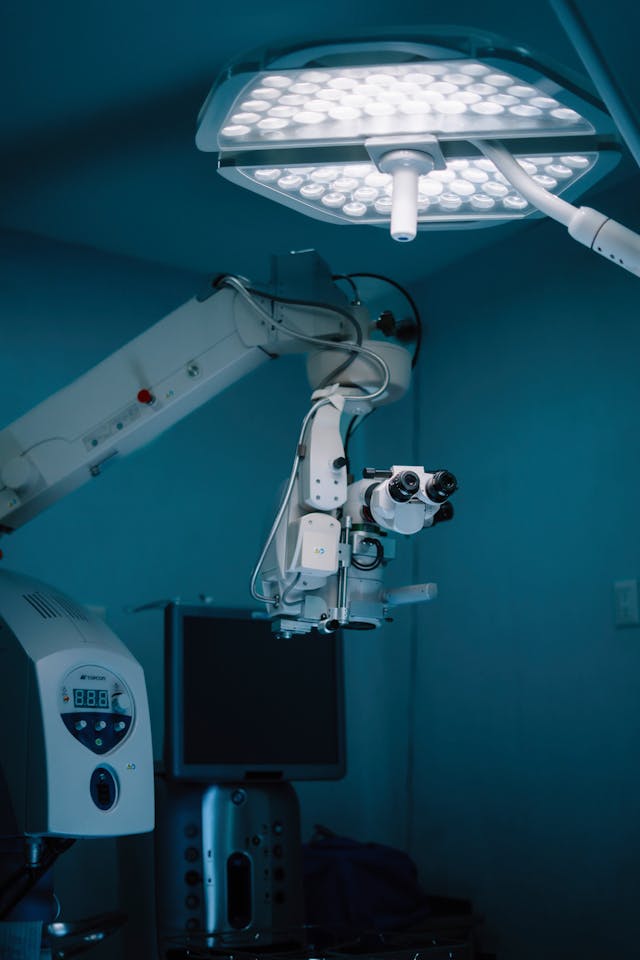 Minimally invasive surgery in large cities like NYC has revolutionized the way many common and complex procedures are performed. For patients in New York City, where busy schedules and active lifestyles are the norm, choosing a surgical approach that allows for faster recovery and less pain is often a top priority. Thanks to advances in laparoscopic and robotic-assisted techniques, minimally invasive surgery (MIS) offers safer, more efficient solutions for a wide range of general surgical conditions.
This guide explains how minimally invasive surgery works, its benefits, and why it has become the preferred option for many patients in NYC.
What Is Minimally Invasive Surgery?
Minimally invasive surgery refers to procedures performed through small incisions using specialized instruments and high-definition cameras. Instead of making a large incision as in traditional open surgery, surgeons use tools such as laparoscopes or robotic systems to operate with precision while minimizing trauma to surrounding tissues.
Common minimally invasive techniques include:
- Laparoscopic surgery
- Robotic-assisted surgery
- Single-incision laparoscopic surgery (SILS)
- Advanced endoscopic procedures
These approaches are now widely used across general surgery, offering patients significant advantages over conventional methods.
Key Benefits: Faster Recovery and Less Pain
The primary reasons patients choose minimally invasive surgery are the reduced recovery time and lower levels of postoperative discomfort.
- Smaller incisions: Less tissue damage leads to decreased pain and quicker healing.
- Shorter hospital stays: Many procedures are outpatient or require only overnight observation.
- Reduced need for pain medication: Patients often require fewer narcotics after surgery.
- Faster return to normal activities: Many individuals resume work and daily routines within 1–2 weeks.
- Lower risk of infection: Smaller wounds decrease the likelihood of surgical site infections.
- Minimal scarring: Cosmetic outcomes are significantly improved.
For NYC residents balancing work, commuting, and family life, this accelerated recovery can make a substantial difference.
Conditions Commonly Treated with Minimally Invasive Surgery
Minimally invasive techniques are used to treat many of the most common general surgical conditions.
- Hernias (inguinal, umbilical, ventral, incisional)
- Gallbladder disease and gallstones
- Appendicitis
- Colon and small intestine disorders
- GERD and hiatal hernias
- Adrenal gland tumors
- Liver and pancreatic conditions
- Soft tissue masses and skin lesions
In most cases, patients experience fewer complications and shorter recovery periods compared to traditional open surgery.
Laparoscopic vs. Robotic Surgery
Both laparoscopic and robotic-assisted procedures fall under the umbrella of minimally invasive surgery, but they offer slightly different advantages.
Laparoscopic Surgery
- Uses small incisions and a camera to guide surgical instruments
- Well-established and widely used
- Effective for most routine procedures
Robotic-Assisted Surgery
- Provides enhanced 3D visualization
- Allows for greater precision and dexterity
- Particularly beneficial for complex or delicate operations
Your surgeon will determine which approach is best based on your specific condition and overall health.
What to Expect Before and After Surgery
Before surgery, you will undergo a thorough evaluation including imaging, lab tests, and a consultation to determine your candidacy for a minimally invasive approach.
After surgery:
- You may go home the same day
- Mild soreness or bloating is common
- Light activity is encouraged within days
- Heavy lifting is typically restricted for several weeks
Most patients are surprised by how quickly they regain energy and mobility.
Is Minimally Invasive Surgery Right for You?
While most patients are candidates for minimally invasive surgery, certain factors may influence the decision:
- Previous abdominal surgeries causing scar tissue
- Severe infection or inflammation
- Complex anatomy or advanced disease
- Underlying medical conditions
An experienced surgeon will evaluate your individual situation to determine the safest and most effective treatment plan.
Why NYC Patients Prefer Minimally Invasive Surgery
Living in NYC means balancing demanding careers, family commitments, and an active lifestyle. Minimally invasive surgery allows patients to:
- Return to work sooner
- Avoid prolonged hospital stays
- Minimize disruption to daily routines
- Heal comfortably and discreetly
Access to advanced surgical technology and experienced specialists makes NYC one of the best places to undergo minimally invasive procedures.
Conclusion: Advanced Care with Faster Healing
Minimally invasive surgery represents the future of general surgical care. With faster recovery, less pain, and lower complication rates, it has become the preferred option for many procedures. If you’re facing surgery, exploring minimally invasive options could significantly improve your experience and outcome.
Contact Information
LENOX HILL MINIMALLY INVASIVE SURGERY PLLC
Dr. Valery Dronsky
117 E 77th Street
New York, NY 10075
646-846-1136
admin@lenoxmis.com
Visit us online: https://www.lenoxhillminimallyinvasivesurgery.com