CALL TODAY 646-846-1136 | EMAIL


Adrenal Gland Surgery: Managing Tumors and Hormone Disorders
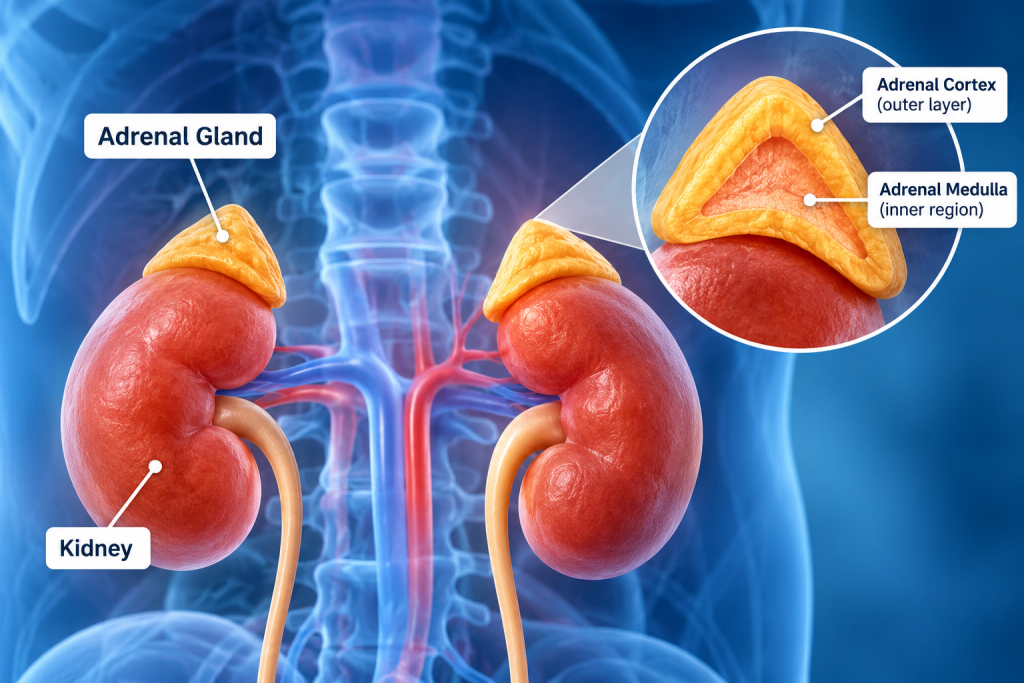
Adrenal gland surgery is an important treatment option for patients with adrenal tumors, abnormal hormone production, and certain endocrine disorders that affect overall health. The adrenal glands are small, triangular-shaped organs located above each kidney. Although relatively small, they play a critical role in regulating blood pressure, metabolism, stress responses, and hormone production. When an adrenal gland develops a tumor or produces excessive hormones, surgical treatment may be necessary to restore normal function and prevent serious complications.
For patients considering adrenal gland surgery in NYC, advances in laparoscopic and robotic-assisted techniques have made it possible to treat many adrenal conditions through smaller incisions, with less postoperative discomfort and shorter recovery times than traditional open surgery.
What Do the Adrenal Glands Do?
The adrenal glands produce several essential hormones that regulate important bodily functions. Each gland consists of an outer layer called the adrenal cortex and an inner region called the adrenal medulla.
The adrenal cortex produces cortisol, aldosterone, and small amounts of sex hormones. Cortisol helps regulate metabolism and the body’s response to stress, while aldosterone controls sodium and potassium levels and contributes to blood pressure regulation.
The adrenal medulla produces adrenaline and noradrenaline, hormones responsible for the body’s fight-or-flight response.
When adrenal hormone production becomes excessive or insufficient, patients may experience symptoms affecting multiple organ systems. Some adrenal disorders can be managed with medication, while others require surgical removal of the affected gland.
Common Adrenal Tumors and Hormone Disorders
Adrenal tumors may be benign or malignant, and some produce excessive hormones while others do not affect hormone levels. Understanding the underlying condition is essential for determining whether surgery is appropriate.
- Adrenal adenomas: Usually benign tumors that may be discovered incidentally during abdominal imaging. Some produce excessive hormones, while others are nonfunctioning and require only monitoring.
- Pheochromocytoma: A tumor that produces excessive adrenaline-related hormones, potentially causing severe hypertension, headaches, sweating, and rapid heartbeat.
- Cushing’s syndrome: A condition caused by excessive cortisol production, sometimes resulting from a hormone-producing adrenal tumor.
- Primary aldosteronism: Excessive aldosterone production that can cause high blood pressure and low potassium levels. Surgery may be appropriate when hormone excess originates from one adrenal gland.
- Adrenocortical carcinoma: A rare adrenal cancer that may require extensive surgical treatment and specialized oncological care.
Not every adrenal tumor requires surgery. Small, benign-appearing, nonfunctioning adrenal masses may be monitored with appropriate medical evaluation rather than immediately removed.
Symptoms That May Indicate an Adrenal Gland Disorder
Symptoms vary considerably depending on the type of tumor and the hormones involved. Some patients experience noticeable physical changes, while others discover an adrenal abnormality during imaging performed for an unrelated condition.
Common symptoms associated with hormone-producing adrenal disorders include persistent high blood pressure, unexplained weight changes, muscle weakness, excessive sweating, headaches, heart palpitations, and unusual fatigue.
Patients with excessive cortisol production may develop increased abdominal fat, easy bruising, elevated blood sugar, and weakened muscles. Excess aldosterone may cause difficult-to-control hypertension and low potassium levels.
Pheochromocytomas can produce episodes of severe headaches, sweating, and rapid heartbeat, sometimes accompanied by dangerous increases in blood pressure.
Because these symptoms overlap with many other medical conditions, specialized testing is necessary before determining whether an adrenal tumor is responsible.
How Are Adrenal Tumors Diagnosed?
Diagnosing adrenal disorders generally involves a combination of medical history, laboratory testing, and diagnostic imaging.
Blood and urine tests help determine whether an adrenal tumor produces excessive hormones. Depending on the suspected condition, physicians may measure cortisol, aldosterone, renin, or metanephrines.
CT scans and MRI examinations provide detailed images of the adrenal glands, helping physicians evaluate tumor size, appearance, and surrounding structures.
In patients with suspected primary aldosteronism, additional testing may be necessary to determine whether one or both adrenal glands are responsible for excessive hormone production. Adrenal vein sampling is sometimes used to guide treatment decisions.
A complete evaluation helps distinguish tumors requiring surgical intervention from those that can be safely monitored.
Minimally Invasive Adrenal Gland Surgery
Adrenalectomy is the surgical removal of one or both adrenal glands. When a tumor affects only one gland, surgeons generally remove the affected gland while preserving the healthy gland whenever possible.
Modern minimally invasive adrenal surgery is commonly performed using laparoscopic or robotic-assisted techniques.
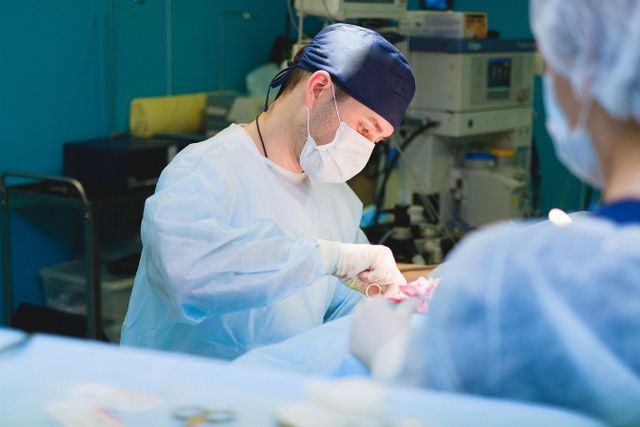
During laparoscopic adrenalectomy, the surgeon makes several small incisions and inserts a camera and specialized instruments to access the adrenal gland. The affected gland is carefully separated from surrounding tissues and blood vessels before removal.
Robotic-assisted adrenalectomy uses surgeon-controlled robotic instruments and magnified three-dimensional visualization. This technology can provide additional flexibility and precision during certain complex procedures.
Potential advantages of minimally invasive adrenal surgery include:
- Smaller surgical incisions and reduced scarring
- Less postoperative discomfort compared with open surgery
- Shorter hospital stays for appropriately selected patients
- Earlier return to normal daily activities
- Reduced wound complications in certain patients
However, minimally invasive surgery is not appropriate for every adrenal tumor. Large masses, suspected invasive adrenal cancers, and tumors involving surrounding structures may require traditional open surgery to achieve safe and complete removal.
When Is Adrenalectomy Recommended?
The decision to perform adrenal gland surgery depends on several factors, including tumor size, imaging characteristics, hormone production, symptoms, and the patient’s overall health.
Surgery is commonly considered for pheochromocytomas, certain cortisol-producing adrenal tumors, and unilateral aldosterone-producing adenomas. Tumors suspicious for malignancy may also require surgical removal.
Patients with primary aldosteronism affecting both glands are generally treated medically rather than undergoing bilateral adrenal removal.
For suspected adrenal cancer, treatment planning may involve endocrine surgeons, oncologists, radiologists, and other specialists to determine the safest surgical approach.
Preparing for Adrenal Gland Surgery
Preparation for adrenalectomy depends on the underlying hormonal disorder. Patients generally undergo preoperative blood tests, imaging, medication reviews, and assessments of cardiovascular health.
Certain adrenal tumors require specialized medical preparation before surgery.
For example, patients with pheochromocytoma typically receive medications called alpha blockers before surgery to help control blood pressure and reduce the risk of dangerous cardiovascular complications during the procedure.
Patients with cortisol-producing tumors may require steroid replacement after surgery because the remaining adrenal gland can temporarily produce insufficient cortisol.
These precautions make accurate diagnosis and coordinated preoperative care particularly important.
Recovery After Adrenalectomy
Recovery following adrenal gland surgery varies according to the surgical technique, tumor characteristics, and patient’s medical condition.
Many patients undergoing uncomplicated laparoscopic adrenalectomy can leave the hospital within one or two days, although some require longer observation. Patients undergoing open surgery generally need a longer hospital stay and recovery period.
Mild abdominal discomfort, fatigue, and temporary limitations on physical activity are common during the initial healing period.
Patients are usually encouraged to begin walking soon after surgery while avoiding strenuous exercise and heavy lifting until cleared by their surgeon.
Depending on the procedure, many patients can gradually resume routine activities within two to four weeks after minimally invasive surgery. More extensive operations may require additional recovery time.
Follow-up appointments are essential for monitoring blood pressure, hormone levels, wound healing, and any required medication adjustments.
Can You Live Normally With One Adrenal Gland?
One of the most common questions patients ask is whether removing an adrenal gland will affect their long-term health.
In most cases, patients can live normally with one healthy adrenal gland. The remaining gland generally produces sufficient hormones to support normal bodily functions.
However, patients who undergo adrenalectomy for cortisol-producing tumors may temporarily require steroid medication while the remaining adrenal gland recovers.
If both adrenal glands must be removed, lifelong hormone replacement therapy becomes necessary because the body can no longer produce essential adrenal hormones independently.
Long-term outcomes depend on the original condition and whether hormone levels return to normal following treatment.
Choosing an Adrenal Surgeon in NYC
Patients considering adrenal gland surgery in Manhattan should seek a surgeon with appropriate experience treating adrenal tumors and endocrine disorders.
Important considerations include the surgeon’s experience with adrenalectomy, familiarity with minimally invasive techniques, and access to coordinated endocrinology and anesthesia care.
Patients should also ask about the expected recovery period, potential complications, alternatives to surgery, and whether hormone replacement medication may be necessary.
For complex adrenal tumors, particularly those suspicious for cancer, evaluation by a specialized multidisciplinary team is especially important.
Advanced Adrenal Surgery and Long-Term Health
Adrenal gland surgery can provide effective treatment for certain hormone-producing tumors and other adrenal disorders. In appropriately selected patients, removing the affected adrenal gland may improve blood pressure control, reduce excessive hormone production, and prevent complications associated with untreated disease.
Advances in laparoscopic and robotic-assisted surgery have expanded treatment options while reducing the physical impact of many procedures. Nevertheless, successful treatment begins with accurate diagnosis, careful patient selection, and individualized surgical planning.
If you have been diagnosed with an adrenal tumor or are experiencing symptoms associated with an adrenal hormone disorder, a consultation with an experienced surgical specialist can help clarify your treatment options.
For patients seeking expert general and minimally invasive surgical care in New York City, Dr. Valery Dronsky at Lenox Hill Minimally Invasive Surgery PLLC offers surgical consultations and individualized treatment planning. Contact the practice to discuss your condition, determine whether surgical intervention is appropriate, and explore available minimally invasive treatment options.
LENOX HILL MINIMALLY INVASIVE SURGERY PLLC
Dr. Valery Dronsky
117 E 77th Street
New York, NY 10075
646-846-1136
admin@lenoxmis.com
https://www.lenoxhillminimallyinvasivesurgery.com