CALL TODAY 646-846-1136 | EMAIL



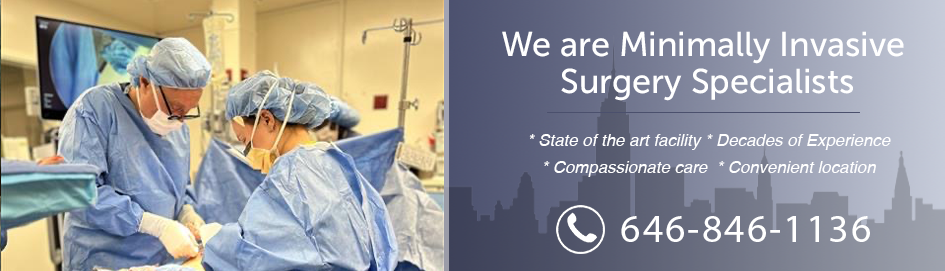
Surgical Experts Dedicated to Improving Lives
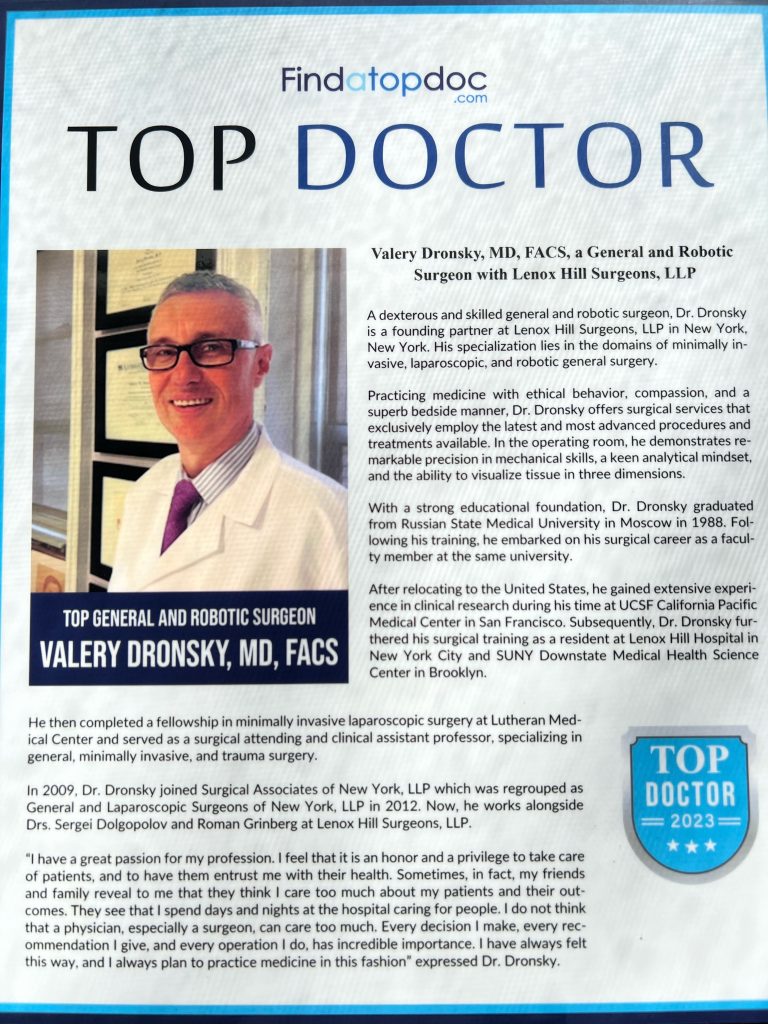
At Lenox Hill Minimally Invasive Surgery PLLC, Dr. Valery Dronsky and his staff of medical professionals provide compassionate care with the highest ethical & professional standards. In our state of the art facility, we offer surgical services using only the most cutting edge and current procedures and treatments. We specialize in general surgery, including extensive experience in performing hernia repair surgery. Our expertise is in minimally invasive surgery and robotic surgery. Minimally invasive and robotic surgery often allow patients to experience easier recovery than traditional open surgery. They also allow for more precise and less traumatic surgery. When robotic and minimally invasive surgery is not an option, we are also skilled and experienced in traditional open surgical procedures.
Dr. Dronsky is an experienced and highly skilled surgeon having undergone extensive training in school, residency and fellowships. He practices medicine with ethical behavior, compassion and superb bedside manner. In the operating room he exhibits precision mechanical abilities, analytical thinking and the ability to visualize tissue in three dimensions. These innate and learned skills allow Dr. Dronsky to be one of the most dexterous and skilled professionals in New York City and the Country.
Call us: 646-846-1136












PATIENT TESTIMONIALS
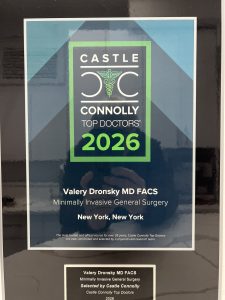
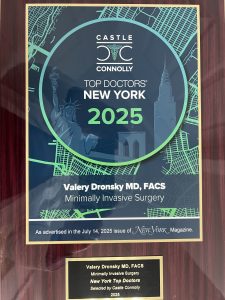
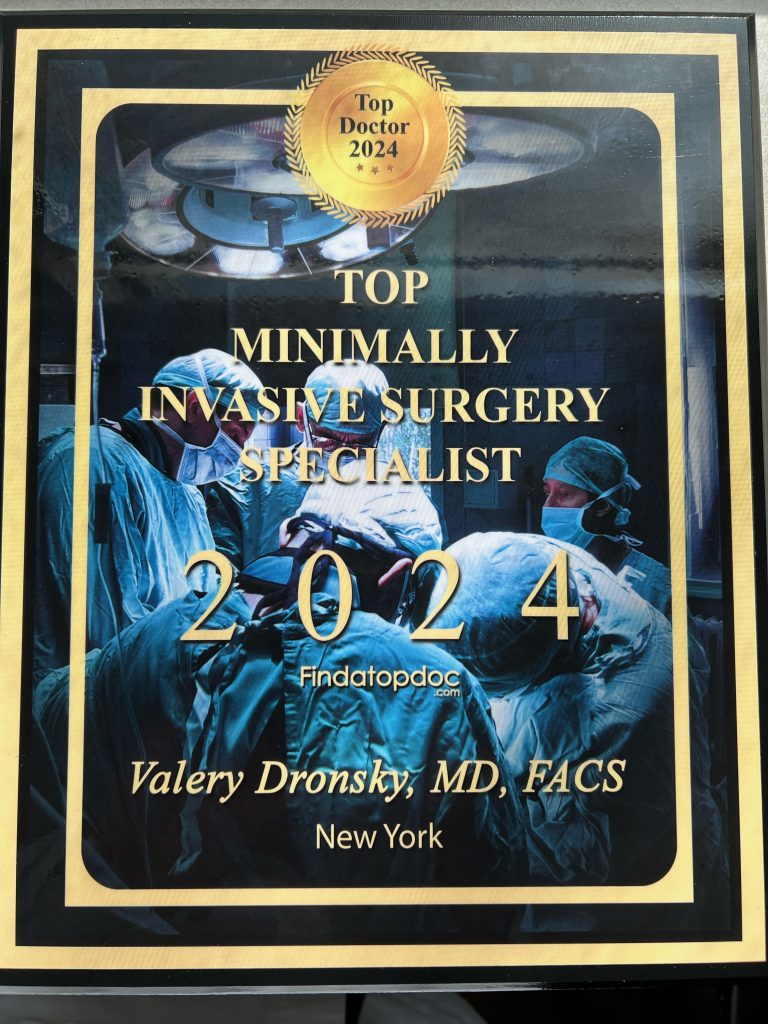
Recent Awards
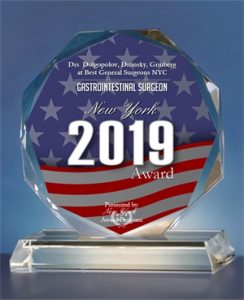
We are honored and deeply appreciative to have consistently received prestigious awards and recognition year after year, establishing us as one of New York’s foremost hospitals for a wide range of general surgeries, safety measures, specialized procedures, and overall excellence in healthcare. At Lenox Hill Minimally Invasive Surgery, our unwavering commitment lies in delivering exceptional care and unwavering support to our patients, guaranteeing their safety and successful recovery throughout their entire surgical experience.
Hospital Quality Awards
 America’s 50 Best Hospitals Award™ (2023, 2022)
Top 1% in the nation for providing the highest clinical quality year over year.

America’s 100 Best Hospitals Award™ (2021)
Top 2% in the nation for consistently delivering clinical quality year over year.

America’s 250 Best Hospitals Award™ (2023, 2022, 2021)
Top 5% in the nation for consistently delivering clinical quality.

Patient Safety Excellence Award™ (2023, 2022)
Top in the nation for providing excellence in patient safety by preventing infections, medical errors, and other preventable complications.
Specialty Clinical Quality Awards

America’s 100 Best Hospitals for Cardiac Care Award™ (2023, 2022, 2021, 2020, 2019)
Superior clinical outcomes in heart bypass surgery, coronary interventional procedures, heart attack treatment, heart failure treatment, and heart valve surgery.

America’s 100 Best Hospitals for Coronary Intervention Award™ (2023, 2022, 2021, 2020, 2019)
Superior clinical outcomes in coronary intervention procedures (angioplasty with stent).

America’s 100 Best Hospitals for Prostate Surgery Award™ (2023, 2022, 2021)
Superior clinical outcomes in prostate removal surgery and transurethral resection of the prostate.
Click to see all of our Healthgrades best doctors awards

Visit our main website at www.LenoxHillMinimallyInvasiveSurgery.com
Blog Posts are Below:
Monthly Archives: March 2025
The Importance of Regular Screenings and Early Detection
Regular screenings can lead to early detection and timely intervention for improving health outcomes and reducing mortality rates associated with serious medical conditions. Regular screenings play a crucial role in identifying diseases—particularly cancer and other chronic illnesses—at their earliest and most treatable stages. For patients in New York City and beyond, understanding the value of preventive healthcare can lead to longer, healthier lives.
In this post, we explore why regular screenings are essential, the conditions they help detect, and how general surgeons often play a critical role in early diagnosis and treatment.

Why Regular Screenings Matter
Many serious conditions, such as cancer, gastrointestinal diseases, and endocrine disorders, can develop silently—showing little or no symptoms until they reach advanced stages. Screenings are designed to:
- Identify conditions before symptoms appear
- Catch diseases in their early stages when treatment is most effective
- Prevent complications by enabling timely medical or surgical intervention
- Provide peace of mind for individuals at higher risk
- Reduce overall healthcare costs by avoiding emergency care and extensive treatments
Regular screenings are a cornerstone of preventive healthcare and can lead to significantly better outcomes for patients.
Conditions Commonly Detected Through Screenings
General surgeons are often involved in the diagnosis and treatment of conditions detected through screenings. Some of the most common include:
- Colorectal Cancer: Colonoscopies are essential for identifying precancerous polyps and early-stage colon cancer. If detected early, the survival rate is significantly higher.
- Breast Cancer: Mammograms help detect tumors before they become palpable. Surgical removal or biopsy may follow abnormal findings.
- Skin Cancer: Regular dermatologic exams and surgical excision of suspicious moles or lesions help prevent the spread of melanoma and other skin cancers.
- Thyroid Nodules: Ultrasound and biopsy can uncover benign or malignant nodules. Surgical intervention may be required based on the results.
- Gallbladder Disease: Ultrasounds can detect gallstones or signs of gallbladder dysfunction. In symptomatic cases, a cholecystectomy (gallbladder removal) may be recommended.
In many cases, early diagnosis allows for minimally invasive surgical treatment, reducing recovery time and improving quality of life.
Recommended Screening Guidelines
Healthcare providers base screening recommendations on age, gender, family history, lifestyle, and existing medical conditions. Below are general guidelines for adults:
- Colorectal Cancer: Begin regular screening at age 45 (earlier with family history), typically via colonoscopy every 10 years or other stool-based tests more frequently.
- Breast Cancer: Mammograms every 1–2 years for women starting at age 40–50, depending on individual risk factors.
- Skin Cancer: Annual skin checks for those with high sun exposure, fair skin, or personal/family history of skin cancer.
- Thyroid Health: Periodic neck exams and ultrasounds, especially for those with family history or exposure to radiation.
- Abdominal Aortic Aneurysm: A one-time ultrasound for men aged 65–75 who have ever smoked.
It’s important to discuss personalized screening schedules with your primary care physician or specialist based on your unique health profile.
The Role of General Surgeons in Early Detection
General surgeons often play a pivotal role when screening results indicate a need for further evaluation or treatment. They may:
- Perform diagnostic biopsies of suspicious tissues
- Recommend and conduct minimally invasive exploratory procedures (e.g., laparoscopy)
- Remove tumors or abnormal growths
- Collaborate with oncologists, radiologists, and other specialists for coordinated care
Their expertise ensures that patients receive timely and effective treatment when surgical intervention is necessary.
Taking Action: What Patients Should Do
Proactively managing your health starts with awareness and regular communication with your healthcare team. Here are steps to ensure you’re on the right track:
- Know your personal and family medical history
- Follow the recommended screening schedule for your age and risk profile
- Report any unusual symptoms, such as unexplained weight loss, persistent pain, or changes in bowel habits
- Choose qualified specialists and surgeons when screenings suggest further intervention
Being proactive about screening not only enhances your chances of early detection but may also prevent certain diseases altogether.
Conclusion: Early Detection Saves Lives
Regular screenings and early detection are essential tools in modern medicine that can significantly impact your long-term health. By identifying and treating medical conditions before they progress, patients are given the best possible chance at successful outcomes and full recovery. When surgical treatment is required, having an experienced general surgeon by your side ensures you’re in capable hands from diagnosis to recovery.
For those in New York City seeking expert surgical evaluation and treatment, our team is here to provide compassionate, state-of-the-art care tailored to your needs.
Contact Information
LENOX HILL MINIMALLY INVASIVE SURGERY PLLC
Dr. Valery Dronsky
117 E 77th Street
New York, NY 10075
646-846-1136
admin@lenoxmis.com
Visit our website for more information:
https://www.lenoxhillminimallyinvasivesurgery.com
Understanding the Role of General Surgeons in Modern Healthcare
General surgeons play a vital and versatile role in the modern healthcare system. They are not only responsible for performing a wide range of surgical procedures but also serve as essential partners in the diagnosis, treatment, and post-operative care of many conditions. Unlike surgical specialists who focus on specific organs or systems, general surgeons are trained to manage diseases across multiple areas of the body, often providing life-saving interventions.
This guide will explore the responsibilities, specialties, and importance of general surgeons in today’s healthcare landscape.

What Is a General Surgeon?
A general surgeon is a physician trained to diagnose, treat, and manage patients who require surgery for conditions involving the abdomen, digestive tract, skin, soft tissues, endocrine system, and more.
Core Areas of General Surgery
- Digestive system (stomach, intestines, gallbladder, liver, appendix, esophagus)
- Hernias and abdominal wall defects
- Soft tissue and skin lesions
- Endocrine system (thyroid, adrenal glands)
- Emergency trauma and critical care surgery
General surgeons also frequently collaborate with specialists in oncology, gastroenterology, and endocrinology to ensure comprehensive care.
The Evolving Role of General Surgeons
While general surgeons have always been crucial in healthcare, their role has expanded significantly with advancements in minimally invasive and robotic-assisted surgical techniques.
Key Responsibilities of Modern General Surgeons
- Diagnosis: General surgeons often provide the initial diagnosis and determine if surgery is necessary.
- Surgical Intervention: They perform procedures ranging from routine hernia repairs to complex gastrointestinal surgeries.
- Minimally Invasive Techniques: Many general surgeons specialize in laparoscopic and robotic-assisted surgeries, which offer smaller incisions, quicker recovery, and less postoperative pain.
- Emergency Care: General surgeons are on the front lines for urgent cases such as appendicitis, traumatic injuries, and bowel obstructions.
- Post-Operative Care: They manage patient recovery, monitor for complications, and guide patients through rehabilitation.
Minimally Invasive Surgery: A Modern Advancement
One of the most significant developments in general surgery is the rise of minimally invasive procedures, which have transformed the patient experience.
Benefits of Minimally Invasive Surgery
- Smaller incisions and minimal scarring
- Reduced postoperative pain
- Shorter hospital stays
- Faster return to normal activities
- Lower risk of infection and complications
Procedures like laparoscopic hernia repair, gallbladder removal, and colon surgery are now routinely performed using these advanced techniques.
Common Conditions Treated by General Surgeons
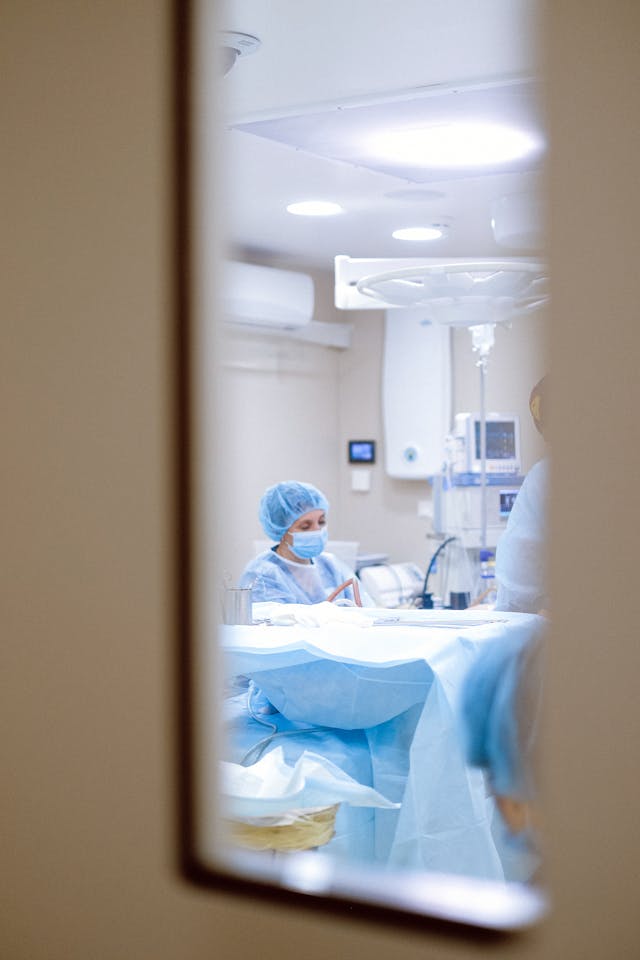 General surgeons handle a wide variety of conditions, many of which can have significant impacts on a patient’s quality of life if not treated promptly.
- Hernias (inguinal, umbilical, incisional)
- Gallbladder disease (cholecystitis, gallstones)
- Appendicitis
- Colon and rectal diseases (diverticulitis, colorectal cancer)
- Gastroesophageal reflux disease (GERD)
- Thyroid and adrenal gland disorders
- Skin and soft tissue tumors (lipomas, cysts, skin cancers)
Many of these surgeries are now performed with laparoscopic or robotic assistance, offering patients better outcomes and quicker recoveries.
General Surgeons and Emergency Care
General surgeons are frequently involved in emergency surgical situations, often working in trauma centers or on-call at hospitals.
Examples of Emergency Surgeries
- Emergency appendectomy for appendicitis
- Exploratory surgery for abdominal trauma
- Surgical repair of bowel obstructions
- Emergency hernia repairs
Their ability to act quickly and efficiently can make the difference between life and death in critical situations.
Multidisciplinary Collaboration
General surgeons are essential members of multidisciplinary healthcare teams. They collaborate closely with:
- Primary care physicians for preoperative assessments
- Oncologists for cancer treatment planning
- Gastroenterologists for digestive health management
- Endocrinologists for hormonal disorders requiring surgery
This team-based approach ensures that patients receive comprehensive, coordinated care.
Why General Surgery Matters
General surgeons provide more than just surgical skills—they offer holistic patient management, from initial diagnosis to long-term follow-up.
Key Contributions of General Surgeons
- Providing preventive care, including cancer screenings
- Offering life-saving emergency interventions
- Improving patient outcomes with minimally invasive procedures
- Managing complex chronic conditions requiring surgical solutions
Without general surgeons, many patients would face prolonged suffering or life-threatening complications from common but serious conditions.
Conclusion: General Surgeons Are Integral in Modern Healthcare
The role of general surgeons has never been more essential. Whether performing routine procedures, handling emergencies, or delivering advanced laparoscopic and robotic surgeries, they are crucial to the smooth functioning of the healthcare system.
If you are in need of expert general surgical care, including minimally invasive options, the dedicated team at Lenox Hill Minimally Invasive Surgery PLLC is ready to help. Dr. Valery Dronsky and his experienced team offer personalized, compassionate surgical solutions to ensure the best possible outcomes.
Contact Information
LENOX HILL MINIMALLY INVASIVE SURGERY PLLC
Dr. Valery Dronsky
117 E 77th Street
New York, NY 10075
646-846-1136
admin@lenoxmis.com
Visit our website for more information:
https://www.lenoxhillminimallyinvasivesurgery.com