CALL TODAY 646-846-1136 | EMAIL



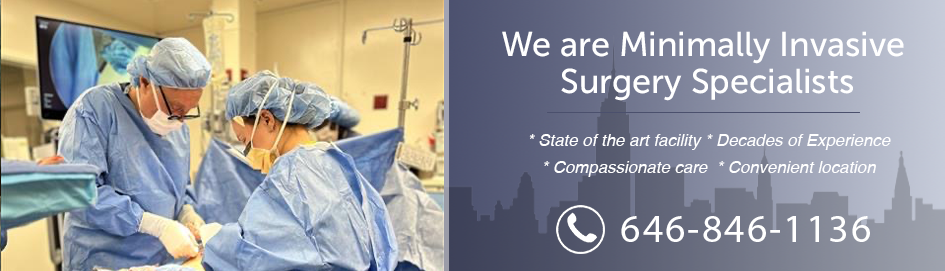
Surgical Experts Dedicated to Improving Lives
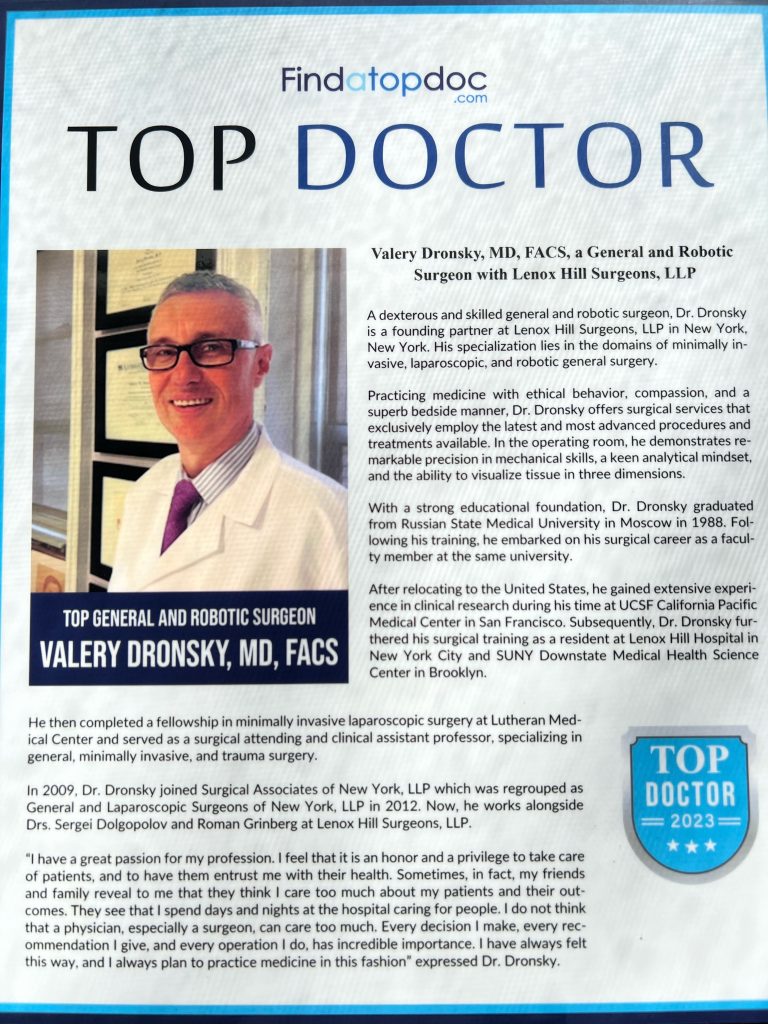
At Lenox Hill Minimally Invasive Surgery PLLC, Dr. Valery Dronsky and his staff of medical professionals provide compassionate care with the highest ethical & professional standards. In our state of the art facility, we offer surgical services using only the most cutting edge and current procedures and treatments. We specialize in general surgery, including extensive experience in performing hernia repair surgery. Our expertise is in minimally invasive surgery and robotic surgery. Minimally invasive and robotic surgery often allow patients to experience easier recovery than traditional open surgery. They also allow for more precise and less traumatic surgery. When robotic and minimally invasive surgery is not an option, we are also skilled and experienced in traditional open surgical procedures.
Dr. Dronsky is an experienced and highly skilled surgeon having undergone extensive training in school, residency and fellowships. He practices medicine with ethical behavior, compassion and superb bedside manner. In the operating room he exhibits precision mechanical abilities, analytical thinking and the ability to visualize tissue in three dimensions. These innate and learned skills allow Dr. Dronsky to be one of the most dexterous and skilled professionals in New York City and the Country.
Call us: 646-846-1136












PATIENT TESTIMONIALS
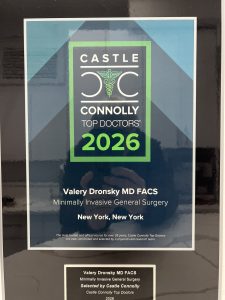
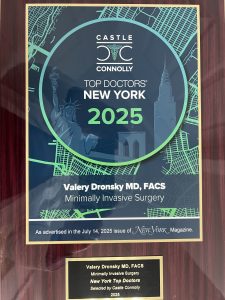
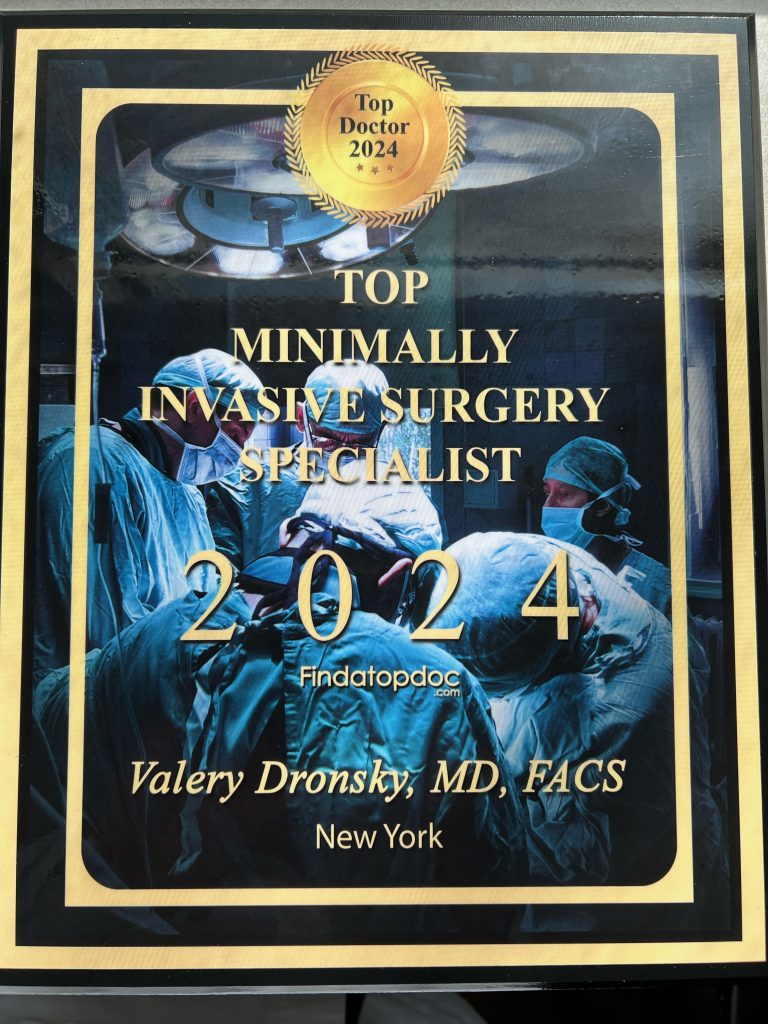
Recent Awards
We are honored and deeply appreciative to have consistently received prestigious awards and recognition year after year, establishing us as one of New York’s foremost hospitals for a wide range of general surgeries, safety measures, specialized procedures, and overall excellence in healthcare. At Lenox Hill Minimally Invasive Surgery, our unwavering commitment lies in delivering exceptional care and unwavering support to our patients, guaranteeing their safety and successful recovery throughout their entire surgical experience.
Hospital Quality Awards
 America’s 50 Best Hospitals Award™ (2023, 2022)
Top 1% in the nation for providing the highest clinical quality year over year.

America’s 100 Best Hospitals Award™ (2021)
Top 2% in the nation for consistently delivering clinical quality year over year.

America’s 250 Best Hospitals Award™ (2023, 2022, 2021)
Top 5% in the nation for consistently delivering clinical quality.

Patient Safety Excellence Award™ (2023, 2022)
Top in the nation for providing excellence in patient safety by preventing infections, medical errors, and other preventable complications.
Specialty Clinical Quality Awards

America’s 100 Best Hospitals for Cardiac Care Award™ (2023, 2022, 2021, 2020, 2019)
Superior clinical outcomes in heart bypass surgery, coronary interventional procedures, heart attack treatment, heart failure treatment, and heart valve surgery.

America’s 100 Best Hospitals for Coronary Intervention Award™ (2023, 2022, 2021, 2020, 2019)
Superior clinical outcomes in coronary intervention procedures (angioplasty with stent).

America’s 100 Best Hospitals for Prostate Surgery Award™ (2023, 2022, 2021)
Superior clinical outcomes in prostate removal surgery and transurethral resection of the prostate.
Click to see all of our Healthgrades best doctors awards


Visit our main website at www.LenoxHillMinimallyInvasiveSurgery.com
Blog Posts are Below:
Monthly Archives: September 2025
Appendectomy Explained: What NYC Patients Should Know About Appendix Surgery
What is appendix surgery? Appendicitis is one of the most common surgical emergencies in the United States. When the appendix becomes inflamed or infected, prompt surgical removal—called an appendectomy—is typically required to prevent serious complications. For patients in New York City, understanding the symptoms, treatment options, and recovery expectations can make a stressful situation much more manageable.
This guide explains everything NYC patients should know about appendix surgery, from diagnosis to recovery.
What Is the Appendix?
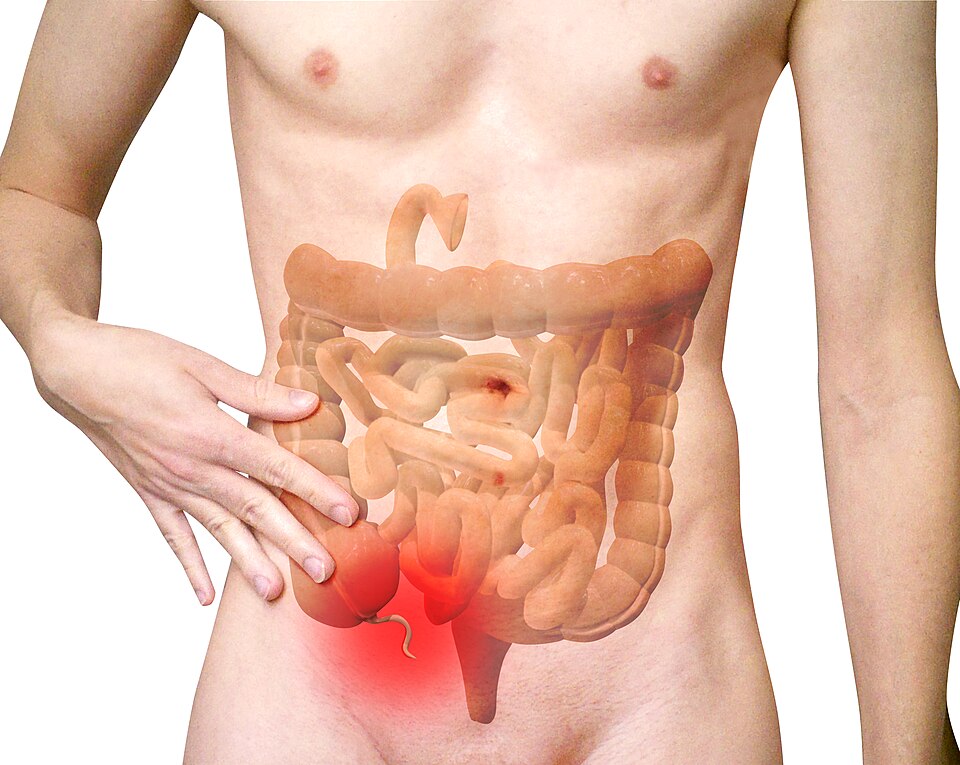
The appendix is a small, tube-shaped organ located in the lower right side of the abdomen. While its exact function is not fully understood, it is not considered essential for normal digestion.
However, when the appendix becomes blocked or infected, it can quickly lead to a dangerous condition known as appendicitis.
What Causes Appendicitis?
Appendicitis typically occurs when the appendix becomes obstructed, leading to inflammation and infection.
- Blockage from hardened stool (fecalith)
- Bacterial or viral infection
- Swollen lymph tissue
- Rarely, tumors or foreign bodies
If untreated, the appendix can rupture, spreading infection throughout the abdomen (a condition called peritonitis), which can be life-threatening.
Common Symptoms of Appendicitis
Recognizing the symptoms early is critical. Classic signs include:
- Sudden pain that begins near the belly button and shifts to the lower right abdomen
- Worsening pain with movement, coughing, or pressure
- Nausea and vomiting
- Loss of appetite
- Low-grade fever
- Abdominal bloating
- Difficulty passing gas
In NYC’s fast-paced environment, many people delay seeking care—but appendicitis requires urgent medical evaluation.
How Is Appendicitis Diagnosed?
Diagnosis usually involves:
- Physical examination: Checking for tenderness in the lower right abdomen
- Blood tests: Elevated white blood cell count indicating infection
- Imaging studies: CT scan or ultrasound to confirm inflammation
Early and accurate diagnosis allows for safer, minimally invasive treatment.
What Is an Appendectomy?
An appendectomy is the surgical removal of the appendix. It is one of the most commonly performed emergency procedures.
There are two main approaches:
1. Laparoscopic Appendectomy (Minimally Invasive)
This is the preferred method in most cases.
- Several small incisions are made in the abdomen
- A tiny camera (laparoscope) guides the procedure
- The appendix is removed using specialized instruments
- Patients often go home the same day or within 24 hours
Benefits:
- Less pain
- Minimal scarring
- Shorter hospital stay
- Faster return to work and daily activities
2. Open Appendectomy
In cases of rupture or severe infection, an open procedure may be necessary.
- A larger incision is made in the lower right abdomen
- The infected appendix is removed directly
- The abdominal cavity may be cleaned if infection has spread
Open surgery typically involves a slightly longer recovery period.
Is Appendectomy Always Necessary?
In certain mild cases, antibiotics may temporarily treat appendicitis. However:
- There is a higher chance of recurrence
- Delayed surgery increases risk of rupture
- Surgery remains the definitive treatment
Most surgeons recommend appendectomy to eliminate future risk.
What to Expect After Appendix Surgery
Recovery depends on whether the appendix ruptured and which surgical method was used.
After Laparoscopic Surgery:
- Return home within 24 hours
- Resume light activity within a few days
- Return to work in 1–2 weeks
- Avoid heavy lifting for 2–4 weeks
After Open Surgery:
- Hospital stay of 2–3 days if infection was present
- Return to work in 2–4 weeks
- Longer activity restrictions
Pain is usually manageable with prescribed or over-the-counter medications.
Potential Complications
Appendectomy is generally very safe, but possible complications include:
- Wound infection
- Abscess formation
- Bleeding
- Adverse reaction to anesthesia
Choosing an experienced surgical team significantly reduces these risks.
Living Without an Appendix
The good news: you can live completely normally without your appendix. There are no long-term dietary restrictions or lifestyle limitations after recovery.
Why Prompt Treatment Matters in NYC
In a city like New York, access to advanced surgical care is readily available. Delaying care due to busy schedules can increase the risk of rupture and complications. Seeking immediate medical attention when symptoms arise leads to:
- Lower complication rates
- Faster recovery
- Reduced hospital stays
- Better overall outcomes
Conclusion: Act Quickly for the Best Outcome
Appendicitis is a medical emergency that requires timely surgical treatment. Fortunately, modern minimally invasive appendectomy techniques allow for quick recovery and excellent outcomes. If you experience symptoms of appendicitis, don’t ignore them—early intervention is key.
If you are in NYC and need expert evaluation or emergency surgical care, the experienced team at Lenox Hill Minimally Invasive Surgery PLLC is ready to provide advanced, compassionate treatment.
Contact Information
LENOX HILL MINIMALLY INVASIVE SURGERY PLLC
Dr. Valery Dronsky
117 E 77th Street
New York, NY 10075
646-846-1136
admin@lenoxmis.com
Visit us online: https://www.lenoxhillminimallyinvasivesurgery.com
Gallbladder Surgery in NYC: Is Laparoscopic Cholecystectomy Right for You?
Thanks to modern advances, the most common and effective method today for gallbladder removal surgery is laparoscopic cholecystectomy—a minimally invasive approach offering faster recovery and less pain. Gallbladder issues, such as gallstones or inflammation, can cause persistent abdominal pain and digestive disturbances. If you’ve been diagnosed with gallbladder disease and conservative treatments haven’t worked, your doctor may recommend gallbladder removal surgery, known as a cholecystectomy.
If you’re considering gallbladder surgery in NYC, this guide will help you understand whether laparoscopic cholecystectomy is the right choice for you.

What Is the Gallbladder and Why Is It Removed?
The gallbladder is a small, pear-shaped organ located beneath the liver. It stores bile—a digestive fluid produced by the liver—and releases it into the small intestine to help break down fats.
However, the gallbladder isn’t essential to digestion. When it becomes diseased or develops stones that block bile flow, removing it is often the most effective solution.
Common Conditions Requiring Gallbladder Surgery
Gallbladder removal may be recommended for:
- Gallstones (cholelithiasis): Hardened deposits of bile that can block ducts and cause pain
- Cholecystitis: Inflammation of the gallbladder, often due to gallstones
- Biliary dyskinesia: Poor function of the gallbladder leading to chronic pain
- Gallbladder polyps or tumors: Abnormal growths requiring removal for further evaluation
- Pancreatitis due to gallstones: Inflammation of the pancreas triggered by a blocked bile duct
If these conditions cause ongoing pain, nausea, vomiting, or digestion problems, surgery is typically the most effective treatment.
What Is Laparoscopic Cholecystectomy?
Laparoscopic cholecystectomy is a minimally invasive procedure to remove the gallbladder using small incisions and a tiny camera called a laparoscope. It has become the standard approach for gallbladder removal due to its safety and faster recovery.
Procedure Overview:
- Four small incisions (usually under 1 inch each) are made in the abdomen
- A laparoscope provides high-definition imaging to guide the surgeon
- Special instruments are used to detach and remove the gallbladder
- The incisions are closed with sutures or surgical glue
- Most patients go home the same day
Benefits of Laparoscopic Gallbladder Surgery
Compared to open surgery, laparoscopic cholecystectomy offers several key advantages:
- Less postoperative pain
- Shorter hospital stay (often outpatient)
- Faster return to normal activities (usually within 1–2 weeks)
- Smaller scars and improved cosmetic outcomes
- Lower risk of infection and complications
This approach is particularly well-suited for patients in busy urban settings like NYC, where a faster recovery can mean less time off work or away from family responsibilities.
Who Is a Candidate for Laparoscopic Cholecystectomy?
Most patients diagnosed with gallbladder disease are eligible for laparoscopic surgery. However, certain factors may affect your candidacy:
- Previous abdominal surgeries causing scar tissue
- Severe inflammation or infection (may require open surgery)
- Bleeding disorders or other high-risk medical conditions
- Pregnancy (in select cases, surgery may still be performed safely)
Your surgeon will conduct a full evaluation to determine the safest and most effective approach for your condition.
What to Expect During Recovery
Recovery after laparoscopic gallbladder removal is generally smooth and quick.
- Most patients return home within a few hours after surgery
- Light activities can resume within a few days
- Most people return to work within 1–2 weeks
- You may experience mild bloating or soreness near the incision sites
- Dietary adjustments may be recommended to ease digestion initially
Follow-up appointments help ensure proper healing and monitor for any complications.
Are There Any Risks or Complications?
Laparoscopic cholecystectomy is a safe and commonly performed procedure, but like all surgeries, it carries some risks, including:
- Bleeding or infection
- Bile duct injury (rare)
- Reaction to anesthesia
- Residual bile duct stones requiring further treatment
These risks are minimized when the procedure is performed by an experienced surgeon in a well-equipped facility.
Conclusion: Is Laparoscopic Cholecystectomy Right for You?
If you’re suffering from gallstones or gallbladder inflammation, laparoscopic cholecystectomy may be your best path to lasting relief. It’s safe, effective, and minimally disruptive—especially when performed by a skilled surgical team in NYC.
Don’t wait for your symptoms to worsen. Early evaluation and timely treatment can prevent serious complications and help you return to a pain-free, healthy lifestyle.
Contact Information
LENOX HILL MINIMALLY INVASIVE SURGERY LLP
155 East 76th Street
New York, NY 10021
Tel: 646-846-1136
Email: lenoxhillsurgeons@gmail.com